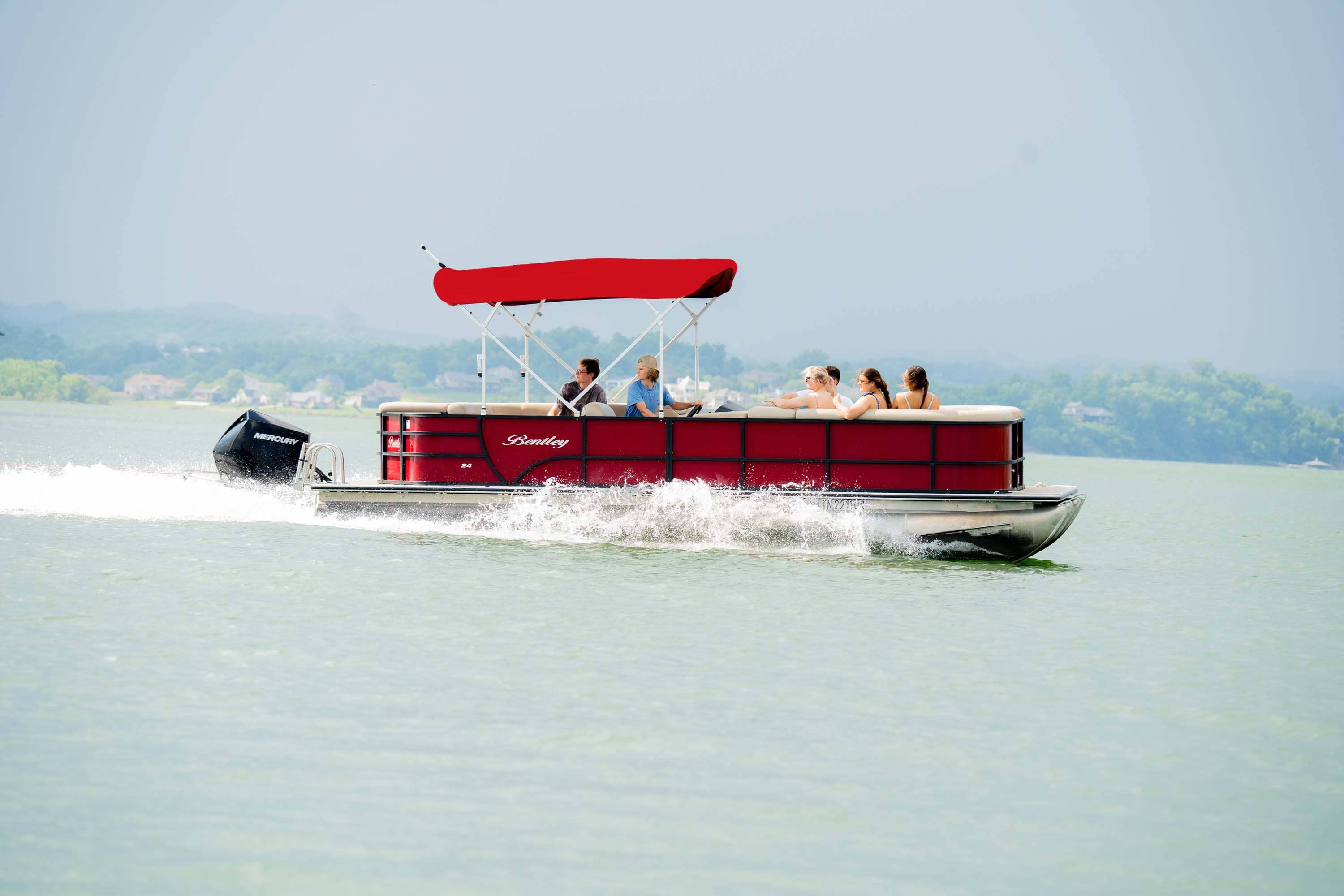
If you’ve ever spent a lazy afternoon drifting across a lake on a pontoon boat, you know there’s something universally relaxing about life on the water. What’s interesting, though, is that while the experience is shared around the world, the words people use for “boating”, and especially for pontoon-style boats, can vary quite a bit depending on where you are.
Let’s take a little global tour and see how different countries talk about this beloved pastime, and what they call the boats that make it possible.
In North America, especially in the U.S. and Canada, the term “pontoon boat” is standard. Boating itself is simply called “boating” or “going out on the lake.” Pontoon boats are especially popular on inland lakes, where families use them for cruising, fishing, and socializing.
In the UK, you won’t hear “pontoon boat” very often. Instead, people might refer more generally to “leisure boating.” Boats similar in function to pontoons are sometimes described as “party boats” or “leisure cruisers,” depending on their design. The word “pontoon” in the UK more often refers to a floating dock rather than the boat itself.
In Australia and New Zealand, boating culture is huge, but pontoon boats are less common than in North America. When they do appear, they’re often called “party pontoons” or simply grouped under “leisure craft.” Aussies might say they’re “heading out on the water” rather than using a specific boating term.
In Germany, boating is often referred to as “Bootfahren.” A pontoon-style vessel, especially one designed for relaxing, might be called a “Freizeitboot” (leisure boat). If it’s more spacious and designed for extended stays, it could even be referred to as a “Hausboot,” which translates to “houseboat.”
In France, recreational boating is known as “navigation de plaisance,” and a pontoon-style boat may fall under the broader category of “bateau de plaisance,” meaning “pleasure boat.” The emphasis is less on the structure and more on the purpose, relaxation and enjoyment.

Italy uses the term “barca da diporto” for recreational boats. While pontoon boats aren’t as iconic there, similar vessels used for social cruising would still fall under this category. Italians are more likely to focus on coastal boating, but lake life in northern regions shares some similarities with North American pontoon culture.
In Spain, recreational boating is commonly referred to as “navegación de recreo,” and a pontoon-style boat would generally be called a “barco de recreo,” meaning “recreational boat.” While traditional pontoons aren’t widespread, the laid-back, social boating experience is very much part of coastal and inland water culture.
In Mexico, you might hear the term “lancha de paseo” for a leisure boat used for cruising and relaxing. While pontoon boats aren’t as common, similar vessels are used for group outings on lakes and coastal waters, capturing that same easygoing, social vibe.
In the Netherlands, a popular leisure boat is called a “sloep.” While not identical to a pontoon boat, a sloep serves a similar purpose: relaxed cruising with friends and family. Boating, or “varen,” is a huge part of Dutch culture thanks to the country’s extensive canal systems.
In Sweden and across Scandinavia, recreational boats are often called “fritidsbåt,” meaning “leisure boat.” Pontoon-like boats exist but are less common than more traditional small motorboats. Still, the concept, easygoing time on the water, is exactly the same.
In Japan, the English-derived term “pleasure boat” (pronounced “purejā bōto”) is commonly used. While pontoon boats aren’t widespread, similar recreational vessels fall under this category. Boating is often associated with marinas and coastal areas rather than inland lakes.
In Brazil, boating for fun is often referred to with terms like “lancha de lazer” (leisure boat). Pontoon boats are relatively rare, but the idea of cruising with friends on the water is just as popular, just usually done in speedboats or small cruisers.
No matter what you call it, pontoon boating, varen on a sloep, or relaxing aboard a bateau de plaisance, the feeling is universal. It’s about slowing down, soaking in the scenery, and sharing meaningful time with the people around you.
So the next time you’re cruising across the water on a pontoon boat, remember: somewhere else in the world, someone is enjoying that very same moment, just in a different language.
Here at Smoky Mountain H2O, we’re fortunate to welcome families and visitors from all over the globe. It’s always exciting to see so many different cultures come together to experience the lake. To ensure everyone has a safe and enjoyable time, renters need a valid driver’s license (or an international driver’s license in English), and at least one person in the group should be able to speak and understand English.
Beyond that, our goal is simple, we’re here to help everyone relax, explore, and take in the natural beauty of the lake and the Smoky Mountains, no matter where they call home.