
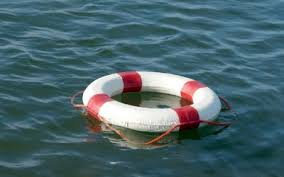
Whether you’re a seasoned boater or just looking to enjoy a relaxing day by the lake, water safety should always be a top priority. Every year, preventable accidents claim lives and cause injuries on the water. By following some simple guidelines, you can keep yourself, your family, and your friends safe while making the most of your aquatic adventures.
Water safety covers a wide range of practices, from swimming in pools and lakes to participating in water sports and recreational boating. Being aware of potential hazards and preparing accordingly can make all the difference in an emergency.
· Learn to Swim: Everyone, regardless of age, should take swimming lessons to become confident in the water. Even strong swimmers should never swim alone.
· Supervise Children: Always keep a close eye on children around water. Drowning can happen quickly and quietly, so undistracted supervision is crucial.
· Swim in Designated Areas: Choose locations with lifeguards and clear signage. Avoid swimming in unknown or restricted waters. You can swim anywhere on Douglas Lake; however, you should consider getting out of high traffic areas or areas where the visibility/line of sight might be hindered. Also staying close to the water vessel while swimming is safer because other boaters can see the vessel much better than a person in the water.
· Know the Water Conditions: Be mindful of currents, tides, and weather. Don’t swim during storms or when water conditions are dangerous.
· Use Personal Flotation Devices (PFDs):Life jackets save lives. Use them whenever boating and consider them for weak swimmers in open and unpredictable waters. PFDs are required for anyone participating in a water sport activity, such as water skiing, tubing, kneeboarding, wakeboarding, wake surfing, riding a personal watercraft (jet ski),etc.
Boating is a favorite pastime for many, but it comes with its own set of risks. According to the U.S. Coast Guard, most boating accidents can be traced back to operator inattention, improper lookout, inexperience, excessive speed, and alcohol use. Here are some tips to keep your boating excursions safe and enjoyable:
1. Wear Life Jackets: Ensure every person on board has a properly fitted U.S. Coast Guard-approved life jacket. This is the number one way to prevent drowning in boating accidents. In Tennessee, Boaters under the age of 12 must always wear a life jacket. For boaters 13 and up, you must have an appropriately sized life jacket available and are not required to wear it, but please consider using it if entering the water.
2. Take a Boating Safety Course: Education is essential. Many states require safety courses before operating certain types of vessels. Even if not required, consider taking one to learn best practices and local regulations. Please be sure to watch the boat and/or jet ski video on the "Safety Video" page.
3. Check the Weather: Always review the forecast before heading out. Sudden storms or winds can create hazardous conditions.
4. Don’t Drink and Boat: Operating a boat under the influence of alcohol is illegal and extremely dangerous. Save the celebration for after you return to shore. Alcohol is allowed on boats at Douglas Lake, but a designated driver is always required. A BUI is the same as a DUI in the state of Tennessee.
5. Carry Safety Equipment: Have essentials like a first aid kit, fire extinguisher, sound-producing device (like a whistle or horn), visual distress signals, and a fully charged cell phone or radio. Your boat will have a fire extinguisher and a sound producing device. You will be responsible for providing your own first aid kit, visual distress signals and fully charged phone.
6. Know the Rules: Familiarize yourself with navigation rules, local laws, and the "rules of the road" for waterways.
No one expects an emergency, but it’s wise to be prepared. Share your float plan (where you’re going and when you’ll return) with someone on land. Learn how to call for help using your cell phone or VHF radio and know the local emergency numbers.
· Stay calm and assess the situation.
· Use life jackets and flotation devices immediately.
· Signal for help using visual or sound devices.
· If someone falls overboard, throw them a flotation device and keep them in sight until they are rescued.
Water adventures are meant to be fun and memorable, but safety should always come first. By following these water and boating safety tips, you can enjoy your time outdoors with peace of mind, knowing you’re ready to handle whatever comes your way. Stay safe and happy boating!