
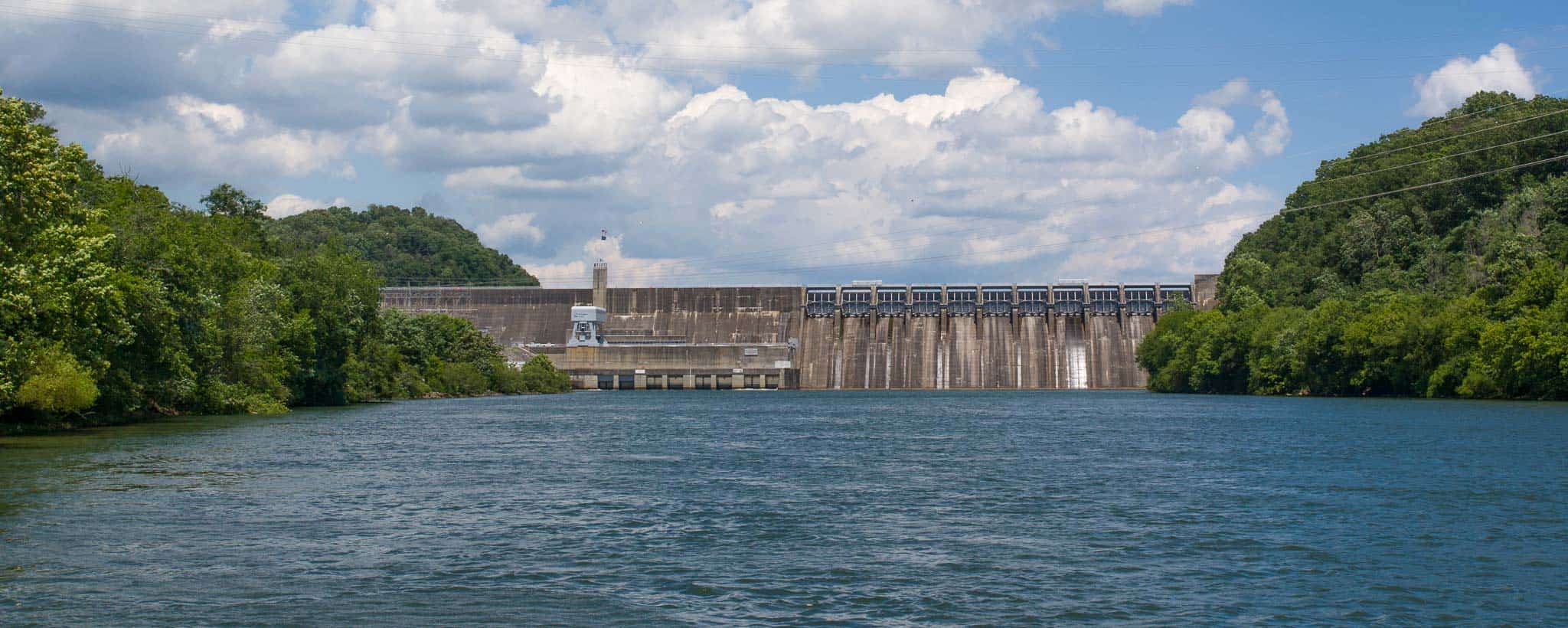
If you’re planning a trip to Douglas Lake, it’s important to understand that water levels change throughout the year, and even throughout the day.
Douglas Lake is not a natural lake. It is a managed reservoir controlled by the Tennessee Valley Authority (TVA). These seasonal and daily water level changes are intentional and play a critical role in flood control, navigation, power generation, and overall water management across the Tennessee River system.
Here’s what you need to know before planning your lake day.
Each year at the end of summer, the TVA begins lowering water levels in upstream reservoirs, including Douglas Lake. This process is known as the annual drawdown.
The purpose? Flood control.
Reservoirs in the TVA system are managed together as part of one interconnected system serving multiple purposes:
Unlike natural lakes, Douglas Lake’s water levels change by design, not by chance.
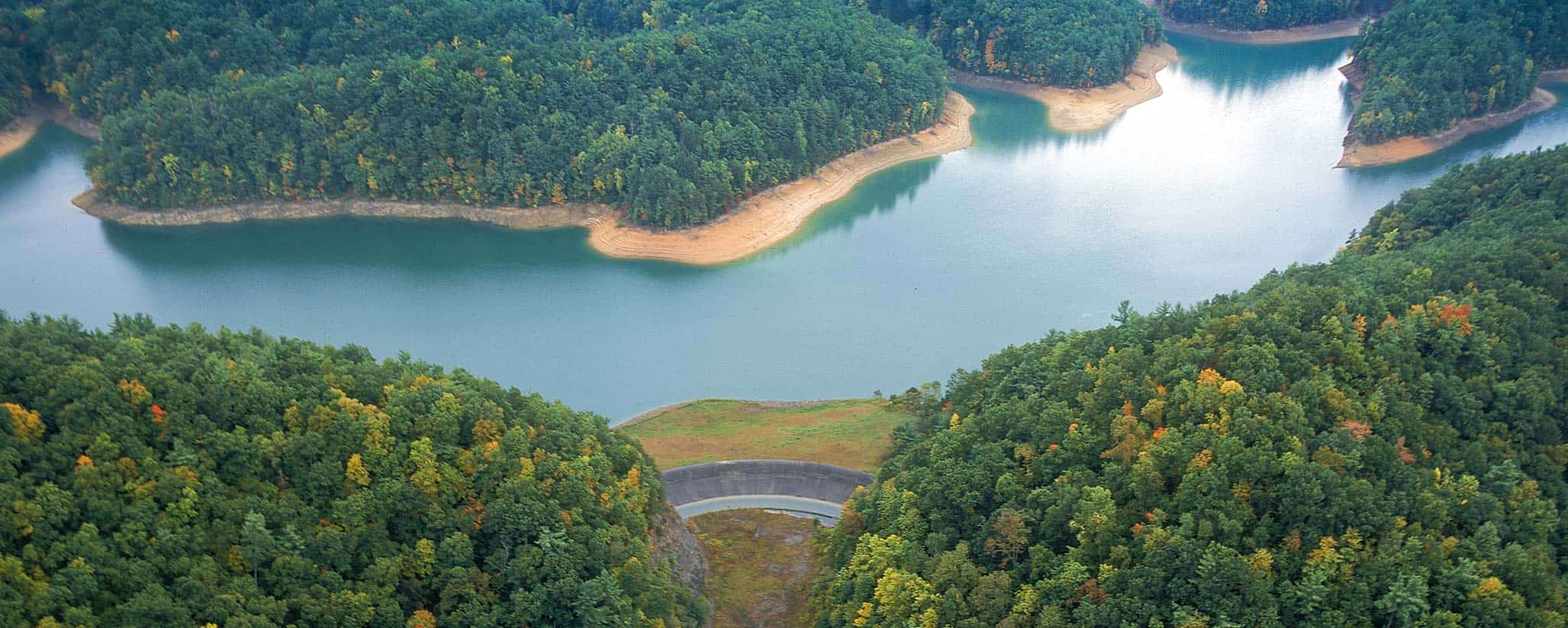
Douglas Lake is considered a tributary reservoir. These reservoirs are designed to serve as emergency storage for heavy winter and spring rainfall, especially precipitation from higher elevations in the region.
To prepare for that seasonal rainfall:
Over the course of a year, water levels can fluctuate significantly, sometimes as much as 35 to 90 feet.
This seasonal change allows TVA to capture incoming rain and snowmelt during winter and spring, helping prevent flooding downstream along the Tennessee River.
In addition to seasonal changes, Douglas Dam may release water throughout the day.
Important notes about water releases:
Always use caution and follow all posted safety regulations near the dam and shoreline areas.
For most summer visitors, Douglas Lake operates at or near full pool levels, perfect for boating, tubing, fishing, and cruising.
However:
If you’re booking an overnight rental or staying at a private dock, it’s always wise to check water levels in advance.
For real-time updates and forecasts, visit:
https://www.tva.com/environment/lake-levels/douglas
Monitoring lake levels can help you better plan:
Douglas Lake remains one of East Tennessee’s most popular destinations for boating and water recreation. Understanding how TVA manages water levels will help you plan with confidence and avoid surprises.
Be sure to check water levels before your visit, and reserve your boat rental early to secure your preferred date.
Ready to get on the water?
Book your Douglas Lake boat rental today and enjoy everything this incredible reservoir has to offer.
Tennessee Valley Authority – Douglas Lake Water Levels
https://www.tva.com/environment/lake-levels/douglas
Douglas Lake Info – Annual Drawdown Cycle
http://www.douglaslakeinfo.com/info/cycles.html